Unlike electricity, water or heat, which arrive at the factory gate from an external infrastructure, compressed air is something industrial plants almost always have to produce themselves. That makes it easy to overlook and under-optimise.
Globally, compressed air production accounts for roughly 10% of industrial electricity consumption and around 5% of total electricity use, which places it among the more significant and least examined levers available to manufacturers working towards climate targets.
For food and beverage manufacturers, the problem has an added layer. Air that comes into contact with ingredients must be fully oil-free, and legacy compressor technologies have tended to meet that requirement only by sacrificing efficiency. Plants have effectively been asked to choose between product purity and energy performance.
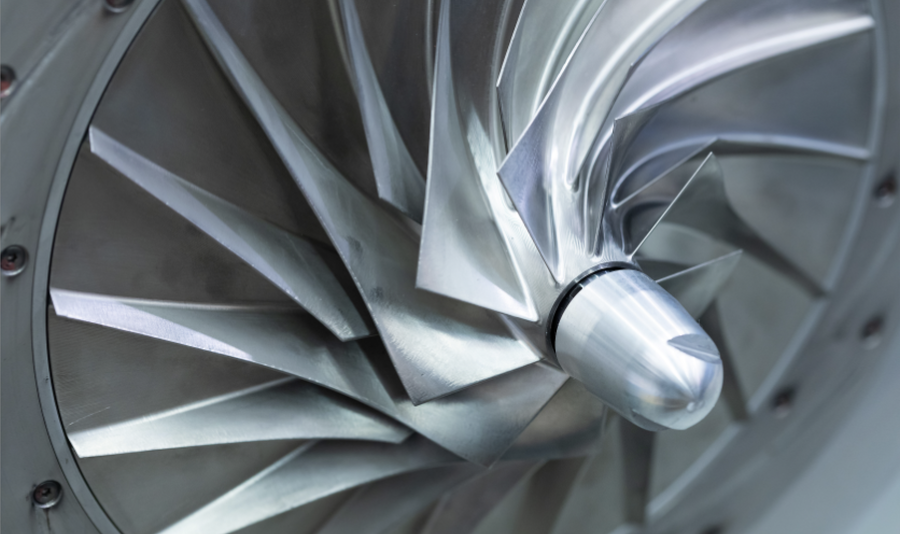
This is the situation Tamturbo set out to resolve with its Touch-Free™ technology: oil-free turbo compressors built around active magnetic bearings and variable-speed drive control, with essentially frictionless rotation. No lubrication, minimal wear, and none of the failure modes that come with conventional designs. Because the units are remotely monitored, Tamturbo can also carry out around 90% of service interventions without anyone travelling to site.
At a food ingredient plant in the American Mid-West, that technology replaced an ageing non-oil-free system drawing 200 to 250 kW continuously. The new installation is a 185 kW unit, and it does more than compress air: waste heat from the process is recovered at temperatures reaching 90°C and fed back into the plant’s hot water system.
And Tamturbo is selling these services rather than the equipment. Therefore, the customer contracted for compressed air-as-a-service (CAaaS), priced on two metrics: cubic metres of air consumed, and kilowatt-hours of energy recovered. Tamturbo retains ownership of the equipment along with responsibility for its performance and maintenance, and the customer makes no upfront capital investment. The price of recovered energy is deliberately tied to the customer’s own energy tariff, which builds an incentive to actually use the recovered heat rather than let it go to waste a second time.
The reported results, in both energy and emissions terms, are substantial.
The full case study is now available.